




• Home
    • Naples Children & Education Foundation
      • About Us
      • Trustees
        • Trustees Login
      • Grant Recipients
      • Strategic Initiatives
      • Study of Child Well-Being
      • Image Gallery
      • Donate Now
      • Contact Us
    • Naples Winter Wine Festival
      • About the Festival
      • Naples Winter Wine Festival
        • Auction Lots
        • Vintners
        • Celebrity Chefs
        • Sponsors & Corporate Partners
        • Ticket Inquiry
      • Festival Donations
      • Volunteers
        • Featured Volunteer
      • Past Festivals
      • Image Gallery
    • News & Galleries
      • Your Winning Bid at Work
      • Press Releases
      • In the News
      • Image Gallery
      • Video Gallery
      • For the Press
    Donate Now

    Naples Children & Education Foundation

    • About Us
      • Trustees
        • Trustees Login
      • Grant Recipients
        • Strategic Initiatives
          • Study of Child Well-Being
            • Image Gallery
              • Donate Now
                • Contact Us

                  Donate Now!

                  click here

                  Strategic Initiatives

                  In 2005 and 2010, the trustees of the Naples Children & Education Foundation commissioned an assessment of the needs of children in Collier County. The study, done by the Lastinger Center for Learning at the University of Florida, proved to be a comprehensive overview of the status of child well-being in our community and an invaluable tool to help elevate the foundation to a first-class grant maker. The study identified several significant gaps in basic services of Collier kids. In response to these findings, the trustees of NCEF elected to look beyond their annual grant program and proactively engage in strategic partnerships with local non-profits, local colleges, universities and other foundations with the goal of creating long-term solutions to fill the gaps. To date, NCEF has committed $24 million to these "Strategic Initiatives."

                  The 2005 Study lead to the following NCEF Strategic Initiatives:
                  • Medical/Dental Health
                  • Early Childhood Education
                  • Out of School Services
                  • Behavioral Health

                  A follow up study of the community of Immokalee, where 90% of children live in poverty, lead to additional NCEF multi-year investments in the following:
                  • Out of School Services
                  • Guidance Programs for Success
                  • Early Childhood Education
                  • Pediatric Pre- and Post- Natal Medical Care

                  The 2005 Study was updated in 2010 to include the following initiative:
                  • Childhood Hunger

                  The 2012 Naples Winter Wine Festival Fund A Need “Now You See It” expanded upon the Medical/Dental Health initiative to include:
                  • Pediatric Vision/Prescription Eyeglass Component.

                  Collier County: The Pediatric Oral Health Crisis

                  Pediatric Oral Health

                  The Current Issue:

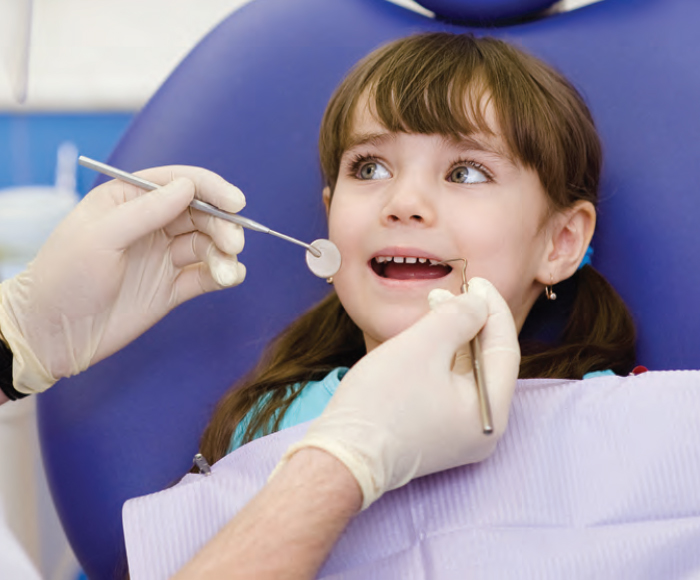
                  While not often thought of as a health crisis, severe medical complications resulting from minimal oral care and treatment can be extremely dangerous or even fatal. Tooth decay is the single most common chronic childhood disease, outranking even asthma and hay fever. Even the United States Surgeon General has recognized six out of every ten children will suffer from tooth decay by age five, and poor children are twice as likely to suffer from untreated decay. Painful, untreated tooth decay leads to 51 million lost school hours. And poor children suffer almost 12 times more restricted-activity days than those coming from families with higher incomes. Pain and distress caused by untreated dental disease can also lead to problems in eating and speaking.

                  These statistics hold true, even here in beautiful Collier County. In fact, the Study of Child Well Being in 2005 reported that nearly 1/3, or about 17,000, of Collier County children do not have access to even basic dental care. The report also found that nearly 70 percent of children from one Collier County elementary school, with a large population of students from low-income families, were found to have untreated dental decay and periodontal disease. Of the total school population, 18 percent of the children suffered from acute dental disease that required immediate emergency care. A 2010 update of the data supported the continued need for dental care for Collier County’s children. This item remains a high priority target for community leaders including NCEF trustees. According to, Child Well-Being in Collier County: A 2010 Update, the Department of Health reported 212 active dentists in Collier County but only nine percent accepted Medicaid patients. Thus limiting access to quality care for impoverished children.

                  Pediatric Oral HealthCollege of Dentistry University of Florida

                  NCEF's Contribution to the Solution:

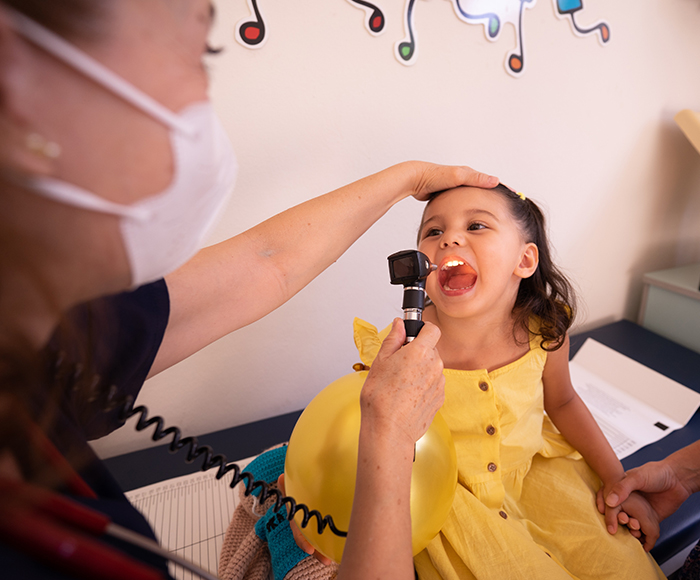
                  The NCEF Pediatric Dental Center at Edison State College campus in East Naples hosts one of the most advanced pediatric dental residency programs in the country with CHS Healthcare as the managing partner in the practice.

                  The NCEF Pediatric Dental Center at Edison State College in Naples specializes in dental services to underprivileged and at-risk children, with the capability of accepting 15,000 patient visits each year once the program reaches full capacity. The first floor houses Naples Pediatric Dental Clinic and the second floor is used for classroom and high-tech laboratory space for The University of Florida College of Dentistry.

                  To date, the Clinic has seen over 23,000 patient visits since opening in December of 2008. The University of Florida clinicians, faculty, residents and volunteers, at the NCEF Pediatric Dental Center all agree, the severity of the dental disease observed at the clinic is like none they have ever seen, particularly the rampant disease in children under the age of five. It is not uncommon for toddlers to require either intravenous sedation or general anesthesia in order to provide the scope of care necessary to improve their oral health. Particularly unsettling is the presence of heightened levels of early childhood caries. A recent article articulates the possible effects of lack of treatment for these children.

                  “Tooth decay is something one normally associates with adults, but it's happening more and more in young children and toddlers. Dental caries is the most common chronic childhood disease, five times more common than asthma in children, and significantly more prevalent than chronic bronchitis.

                  Untreated caries in children may affect the growth of adult teeth, with poor dental health and disease persisting into adulthood. Caries can lead to infection, pain, abscesses, chewing problems, malnutrition and gastrointestinal disorders. It can affect speech and articulation, and like many chronic diseases, the risk factors of early childhood caries also contribute to childhood obesity and malnutrition.

                  Children with poor dental health may also experience associated symptoms, including inadequate nutrition, poor self-esteem and problems with speech development.

                  Parents have the tendency to believe that baby teeth are not important because they fall out. On contrary, baby teeth play an important role as place holders for permanent teeth. If a baby tooth is lost too early, the teeth beside it may drift into the empty space. When it is time for the adult teeth to come in, there may not be enough room. This can make the teeth crooked or crowded which can require braces.”


                  The Ronald McDonald Care Mobile which provides medical and dental screening and health education to underprivileged children refers patients to the clinic. CHS Healthcare, a private, non-profit health care provider that chiefly serves clients at or below poverty level, will operate the clinics billing and collection activities, payroll and supply procurement, while also referring clients to the clinic.

                  With a strategy of community partnerships focused on vulnerable, indigent and special needs populations, the UF College of Dentistry’s Statewide Network for Community Oral Health has become one of the largest providers of low-cost dental care in Florida. It operates 18 other clinics throughout the state and provides nearly all care to Florida’s indigent residents through its network.

                  Pediatric Oral Initiative- Phase II- Working Toward a Change

                  Based upon data from the NCEF’s Oral Health Project- Phase I, which included the construction of a 20,000+ square foot state of the art Pediatric Dental Center on the campus of Edison State College in East Naples, NCEF and its partners are working toward a change in the culture of how our community approaches oral health...with a primary focus on health promotion, disease prevention and early intervention. A new and innovative five-year program will include the development of Collier County’s first oral health surveillance system, an essential element for public health program planning, evaluation, and advocacy. Phase II of NCEF's Oral Health Project will increase the availability of evidence-based preventive services in the area, including an expanded school-based dental sealant program. Working with the Collier County Health Department and local Women, Infant, and Children (WIC) centers, the project will provide oral health education for pregnant women and new moms to include: screening, fluoride varnish application and referral for at-risk infants, toddlers, and young children. To increase the oral health literacy of the families it serves, the Pediatric Dental Center will employ promotores de salud - - health educators who come from the communities we serve - - capable of delivering culturally appropriate oral health counseling and guidance. These initiatives build on and complement NCEF's successful investment in Phase I. The ultimate goal of the NCEF Oral Health Project is to decrease the number of children in our community who suffer from dental disease and improve their oral health-related quality of life.

                  Early Childhood Education: The Reform

                  Early Childhood Education

                  The Current Issue:

                  Early childhood education refers to the learning experiences, structured and otherwise, a child receives from birth through age five. Cognitive development, which includes obtaining pre-reading, language, vocabulary and number skills, begins at birth. It has been found that there is an extremely powerful connection between the development a child experiences in their first five years and the success that they will experience later in life. More specifically, the United States Government has discovered that a child’s knowledge of the alphabet in kindergarten is one of the most significant predictors of what that child’s tenth grade reading ability will be.

                  When young children are provided an environment full of language and literary interactions, they begin to acquire the essential building blocks for learning how to read. A child who enters school without these skills runs a significant risk of starting behind his peers and staying there throughout his school career. According to the 2005 Study of Child Well-Being, 44 percent of Collier County children entering kindergarten screened with the Dynamic Indicators of Basic Early Literacy (Dibels) instrument were rated at risk of early school failure. Many child care providers argued that more emphasis should be placed on social and emotional development and holistic literacy rather than isolated phonetic reading. In response, the state developed FAIR, a comprehensive test to measure readiness. In 2010, 58 percent of Collier children were considered kindergarten ready according to FAIR compared to 44 percent in 2005. Much of this growth can be anecdotoally correlated to NCEF’s deliberate investment strategy around early childhood education.

                  Early Childhood Education

                  NCEF's Contribution to a Solution:

                  The NCEF Early Childhood Development Center is the sister facility to the NCEF Pediatric Dental Center and lies adjacent to the clinic on the Edison State College campus in East Naples. The facility currently hosts 108 children from birth through five years old. The Child Care Center is managed by the Collier County Child Care Resources, a non-profit child care training and provider agency that has been serving families in the Collier area for 41 years. Its staff are charged with providing early learning care for the children, establishing a teachers resource center and providing continuing education classes for local daycare providers.

                  NCEF, architects and child care professionals designed this facility to serve children from lower income homes while also providing a classroom setting for future educators and a demonstration site where existing and potential providers of early child care and education can experience a Reggio Emilia-inspired program. Reggio Emilia is recognized worldwide for its innovative approach to education. The Reggio Emilia philosophy is based upon the following set of principles:
                  • Children must have some control over the direction of their learning;
                  • Children must be able to learn through experiences of touching, moving, listening, seeing and hearing;
                  • Children have a relationship with other children and with material items in the world that children must be allowed to explore and;
                  • Children must have endless ways and opportunities to express themselves.

                  The Reggio Emilia approach to teaching young children puts the natural development of children as well as the close relationships that they share with their environment at the center of its philosophy. The NCEF Early Childhood Development Center acts as a resource hub for parents and provides space for community meetings and classes. Other community partners contributing to the program include RCMA, The Early Learning Coalition of Southwest Florida and Collier County Public Schools.

                  Immokalee Early Learning Initiative

                  Immokalee Early Learning Initiative

                  The Current Issue:

                  Immokalee has one of the highest concentrations of child poverty in Collier County. Approximately 9,000 children reside in Immokalee. Three thousand of them are under five years old. The Immokalee Early Childhood Initiative is a multi-faceted initiative aimed at enhancing teacher quality, increasing capacity, affordability, access and quality of early childhood educational care. The Naples Children & Education Foundation and its partners have been working in earnest to address specific gaps in services.

                  NCEF's Contribution to a Solution

                  Family Child Care Homes
                  Based upon evidence presented in the Study of Child Well Being in 2005, the NCEF trustees engaged in an ambitious goal in establishing a network of family child care homes to care for 125 children in Immokalee, ranging in age from birth to three years old. The design included subsidies for children in need of scholarship so they may enroll in child care. To date, 25 Family Child Care Homes have been licensed. The design of the Family Child Care Homes is to act as feeder homes to the four major child care centers in Immokalee.

                  Before these children could be placed in the family child care network, teachers and supervisors had to be identified and trained, and their homes made ready to accept the children. To accomplish this, the professional development component of the Immokalee Early Learning Initiative includes:
                  • Incentives for teachers to become certified, accredited, and licensed;
                  • Scholarship opportunities for teachers so that they may attend continuing education classes at the local universities and colleges, which are often cost prohibitive for these service providers.

                  CCEP- Child Care Executive Partnership- The Child Care Executive Partnership is an public/private partnership program that was created by the Florida Legislature in 1996 to help employers meet the needs of a growing segment of their workforce-working parents. This program leverages a relationship between businesses, foundations and direct services providers to recognize a 1:1 ROI and in some cases a 16:1 ROI from the state and federal pools of money. NCEF channels funds for the CCEP through RCMA which allows the continued operation of Family Child Care Homes and support to child care centers such as Guadalupe Center of Immokalee, Immokalee Child Care Center, RCMA and Immokalee Housing & Family Services.

                  Immokalee Early Learning Initiative

                  NCEF’s Contribution to a Solution:

                  Raising the Quality of Our Educators
                  Collier Child Care Resources and the Naples Children & Education Foundation are working strategically and proactively in collaboration with the early learning providers and support agencies, specifically Redlands Christian Migrant Association (RCMA), Guadalupe Center of Immokalee, Immokalee Child Care Center, Immokalee Housing & Family Services (IHFS), Collier County Public School System’s and Early Learning Literacy Model Program (ELLM) to increase the quality of our early childhood instructors in Immokalee.

                  The Immokalee early learning programs expressed the need for support with employee recruitment and retention, career advancement, local education and training, financial supports and a centralized professional development agency to administer such supports. With the help of NCEF and the Immokalee Community, Collier Child Care Resources, Inc. opened the Collier Childcare Training & Resource Center on April 1, 2008 and has had many successes thus far in providing the support that will help lead to positive outcomes for Immokalee’s children. Under this initiative, CCCR is addressing the early learning professional's "career ladder" by coaching and mentoring them to seek state mandated and non-mandated trainings, their Staff Credential/CDA and then ultimately higher-education courses; working towards a two-year degree in Early Childhood Education.

                  Supporting the professional development needs and coordinating and/or providing quality education and training will lead to positive outcomes and ultimately increase the quality of care given to Immokalee's children, often at risk of school failure. (make the p and d in professional development lower case and take the hyphen out of at risk.

                  NCEF’s Contribution to a Solution:

                  The Child Care Executive Partnership: A Leveraging Opportunity
                  One of the exciting leveraging aspects of the Immokalee Early Learning Initiative is NCEF’s participation in the Child Care Executive Partnership (CCEP) which doubles NCEF’s investment in child care scholarships. The CCEP is an innovative, public/private partnership program that was created by the Florida Legislature in 1996 to help communities meet the needs of a growing segment of their workforce-working parents. This exciting program leverages public-private partnerships and celebrates entrepreneurial philanthropy. As NCEF enters year four of the Immokalee Early Learning Initiative, NCEF’s investment of $675,000 in scholarships for eligible children has been matched dollar for dollar from CCEP totaling $1,350,000 in new subsidies for the communities’ most vulnerable population.

                  Pediatric Pre- and Post-Natal Medical Care

                  Pediatric Pre-and Post-Natal Medical Care

                  The Current Issue:

                  Without quality prenatal care, a pregnant woman is 10.9 times more likely to have a baby die and 5.6 times more likely to have a baby born with low birth weight. Research has shown that $1.00 of preventative care can save $6.00 of additional costs over the lifetime of a premature baby. Low birth weight breeds other significant problems including organs that are not fully developed, which can lead to lung problems and vision loss. These babies are 20 times more likely to die in their first year of life according to March of Dimes.

                  According to the Child Well-Being in Collier County: A 2010 Update, 38 percent of Collier County resident births were with less than adequate prenatal care, down four percentage points from 2006. Low-income women are among those most at risk for delivering low birth weight babies. They tend to use prenatal care less, perceive more barriers to care, have less positive reinforcement for receiving care, have less access to care, have lower education levels, maintain less healthy lifestyles and have lower compliance with medical recommendations.

                  Pediatric Pre- and Post-Natal Medical Care

                  NCEF's Contribution to a Solution:

                  Through strategic brokering and partnerships and a $2,000,000 investment matched dollar for dollar by Florida State, NCEF has successfully introduced a fully renovated Primary Care Clinic at the Isabel Collier Read Building in Immokalee, Florida. NCEF’s investment helped to finance renovations to the 29,000 square foot medical clinic that had been donated to FSU by Naples Community Hospital Healthcare System in 2007. The building had originally been donated to NCH Healthcare by Isabel Collier Read in an effort to ensure that the medical needs of the community’s farm workers and other underserved residents would be met. After the deed on the property was transferred to FSU, Read endowed the medical schools educational program in Immokalee with an additional gift. The gifts from Read and NCEF were eligible for state matching funds, which pushed the combined value of all three gifts to more than $13 million.

                  CHS Healthcare and Florida State University (FSU) College of Medicine Primary Care Clinic is one of Florida State University College of Medicine’s regional campuses. FSU students throughout the state have the opportunity to fulfill third-year required and fourth-year elective rotations in Immokalee. FSU medical students, who spend part of their third and fourth years of study in Immokalee, gain a more complete understanding of rural medicine while also contributing to the health of the community. Medical school faculty and students provide pediatric and maternal/infant care side-by-side with CHS providers and staff, almost doubling of the existing capacity for pediatric and pre-natal services in Immokalee.

                  The FSU Women’s Health Department moved in to the Isabel Collier Read building in March 2010. The department has one OB/ GYN and one midwife on staff. There are also third and fourth year medical students from FSU’s College of Medicine completing rotations through the department. There are ten exam rooms, one ultrasound room and one treatment room. The department offers prenatal and postnatal care, as well as standard gynecological care. An estimated 500-600 of FSU/ CHS patients deliver at Naples Community Hospital, less than 25 deliveries at Gulf Coast Hospital and another 150 will deliver in other locations as migrant populations move following the crop.

                  In the most recent fiscal year, April 1, 2010 - March 31, 2011, more than 23,000 patients had physician visits.

                  Out of School Services

                  Out of School Services

                  The Current Issue:

                  Collier County has a critical need for more subsidized slots for out-of-school support (after school and summer programs). The total capacity of available after school programs in Collier County in 2005-2006 was just over 6,000 students - NCEF’s latest research indicates that 33 percent of K-12 students who need after school care and support do not receive it. After school activities are crucial to provide a safe place for children to go when parents are still at work, helping to reduce the stress on both parents and children. In Collier County, more crimes committed by teens take place between the hours of 3:00 and 6:00 PM than any other time period.

                  At present, most programs are operating under capacity due to lack of operating funds or lack of subsided slots. If one considers only the elementary and middle school combined population of 30,000 students and estimates that half of them are participating in out-of-school programs, 10,000 students do not have access to after school programs.

                  Studies have found that adolescents who do not participate in any out-of-school activities are:

                  • Twice as likely to smoke cigarettes;
                  • Seven times more likely to have carried a gun to school;
                  • Twice as likely to report that they have driven while drunk;
                  • Nearly three times more likely to use drugs;
                  • And twice as likely to have shoplifted.

                  Out of School Services

                  NCEF's Contribution to a Solution:

                  NCEF has generated a preliminary strategic plan to remedy this unmet need. By partnering with the community’s experts in the field, NCEF hopes to provide subsidized out-of-school programming to over 10,000 additional at-risk and underprivileged children in the next five years.

                  The need is even greater in Immokalee where out-of-school programs are only reaching a fraction of the children most in need. NCEF is currently participating in conversations to establish a network of services to reach all Immokalee children in need of out-of-school time.

                  Social Welfare: Behavioral Health

                  Behavioral Health

                  The Current Issue:

                  As Florida's second largest geographic county and one the state’s most culturally and economically diverse, Collier encompasses communities with several high-risk factors for development of physical and mental health problems. Following inconclusive data regarding the incidence of mental heath diagnoses among children from the Study of Child Well-Being in 2005, NCEF engaged researchers at the University of South Florida Louis de la Parte Mental Health Institute to conduct a needs assessment regarding pediatric mental health in Collier County. Although the researchers concluded that there were no accurate estimates available for the number of children who were living with mental health diagnoses in Collier County, the application of the accepted national statistic of 20 percent to Collier children (80,000 x 20%=16,000) would suggest that as many as 16,000 children are living with a mental health digansoses.

                  Behavioral Health

                  NCEF's Contribution to the a Solution:

                  In the spirit of good faith and collaboration, preliminary discussions among stakeholders began in 2007 in response to the concerning data regarding the number of children in Collier with untreated behavioral health issues. Professionals from David Lawrence Center, CHS Healthcare, Youth Haven, National Alliance for Mentally Ill, NCEF and others established the first phase in bridging the gaps in services for children living with a mental health problem.

                  Developed over two years of discussion and implemented in 2010, the Health Under Guided Systems (H.U.G.S.) primary purpose is to collaboratively develop and provide a responsive and comprehensive system of care for children and youth with behavioral health needs. H.U.G.S. facilitates collaboration across agencies, families and youth for the purpose of improving access and expanding the array of coordinated, community-based, culturally and linguistically competent services and supports for children with behavioral health challenges and their families. The project provides coordinated, universal behavioral health screening and referrals to facilitate early identification and access to care in order to mitigate the effects of untreated problems later on.

                  HUGSOver the past year, the agencies have worked together on cross-systems coordination in order to reduce fragmentation, reduce or eliminate duplication of services, maximize resources and increase the availability of high quality, best-practice approaches.

                  Noteworthy partner accomplishments between June 1, 2010 and May 31, 2011 include:
                  • The H.U.G.S. Mobile was put into service to provide assertive outreach for screening and education;
                  • Provided several "Breaking the Silence" classes in various community settings to address stigma and discrimination often associated with mental illness;
                  • Using standardized/validated instruments, completed screenings with 1156 children;
                  • Facilitated linkage to 170 children for follow up assessments or clinical interventions;
                  • Ninety children are enrolled with System Navigators for ongoing coordination of care;
                  • Psychiatric services were provided to 534 new, unduplicated children.

                  Pediatric Vision Initiative - "Now You See It"

                  Pediatric Vision

                  The Current Issue:

                  Research indicates that significant vision problems are prevalent in 25 percent of all school-aged children in the United States and one of the most prevalent handicapping conditions in childhood (Farebee 2004, Zaba 2008). Low-income and minority children are at a greater risk of under-diagnosis and under-treatment of vision problems as well as an unmet need for vision care services (Ganz et al 2006, 2007, Basch 2010). Among Title I students and academically and behaviorally at-risk children, research indicates that up to 85 percent have vision problems that are either undetected or untreated (Johnson et al 2000, Zaba 2008). These startling statistics are evidenced in Florida and in Collier County. The need in Collier County is far greater than services currently provided. Research indicates that the earlier students are identified and treated for vision problems, the better the academic outcomes (Glewwe, 2009). The failure to treat vision disorders in children affects, among other things, such issues as childhood development, learning performance, self-esteem, social-emotional behavior, academic achievement, high school drop-out rates and juvenile delinquency. Currently, students in Collier County are only screened for vision issues in grades kindergarten, first, third and sixth grade. Experts estimate that 80 percent of what we learn comes through the visual processing of information, yet two out of three children in the United States do not receive any preventative vision care before entering elementary school (Farebee 2004, Zaba 2008). Screening with the traditional Snellen Chart may miss up to 60 percent of significant refractive error (Indian River Study, 2009). By any measure, the level of inadequate vision care for children is significant, and the need in Collier County far exceeds the current services provided.

                  NCEF's Contribution to a Solution:

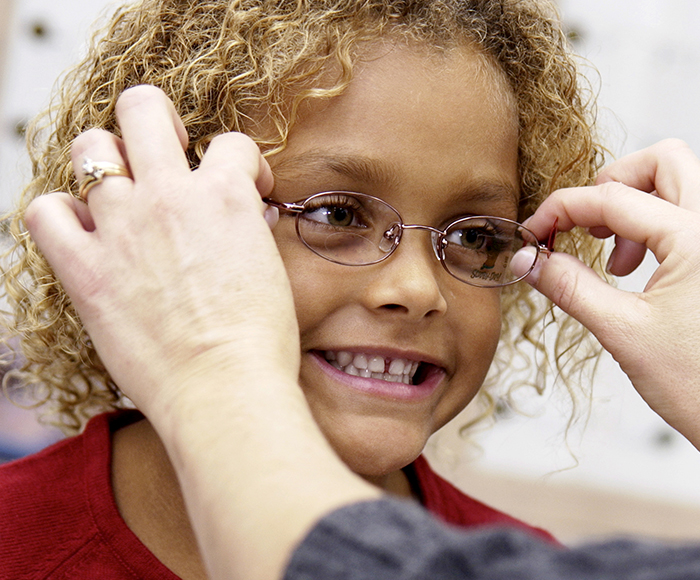
                  “If you can’t see you can’t learn.” With that in mind, the Naples Children & Education Foundation (NCEF) has added an additional clinical layer to its health care safety net by addressing pediatric vision challenges among at-risk youth in Collier County. Through screenings, evaluation and seamless delivery of two pairs of prescription eyeglasses where medically appropriate, NCEF’s pediatric vision initiative has and will continue to allow thousands of children the gift of sight.

                  Recognizing the importance of children’s visual health, NCEF in 2008 partnered with Florida’s Vision Quest to begin vision examinations and provide prescription eyeglasses for 600 children in low-income schools. Since that time, NCEF conducted a follow up Study on Child Well-Being in 2010 which addressed the overlapping medical needs for children in Collier County, vision examinations and eyeglasses being a significant gap in services. Vision Quest and its partners have established a well defined baseline of need and a multiple modality structure to treat the children with the most acute eye care challenges.

                  An continuation grant to expand upon the fisrt phase will implement a more comprehensive approach in meeting the vision needs of every child at all Title I schools in Collier County. Using the latest technology for vision screening, this endeavor, while ambitious, is completely reasonable as evidenced by similar “gold standard” programs in other Florida counties. This initiative will screen approximately 20,000 children a year using state of the art instruments, provide follow-up comprehensive vision exams for those identified with poor vision, as well as summer camp experiences for children with limited or no sight. Furthermore, through an enthusiastic partnership with the Collier County School District, the NCEF PVI will provide not one but two pair of eyeglasses where medically appropriate at no cost to every child...one to be kept in the classroom at all times and one pair that can be sent home mitigating vision impairment.

                  Out-of-School Time Programming Immokalee - G.P.S. Guidance Programs for Success

                  Guidance Programs for Success

                  The Current Issue:

                  Two needs assessments of child well-being in Collier County commissioned by NCEF in 2005 and a follow up in 2010, found a significant gap in out-of-school time program services particularly for students in Immokalee. Out-of-school time programming (OSTP) has a very literal definition. If one thinks of the formal school day as seven hours delivered somewhere between 8 AM and 3 PM, OSTP encompasses all programming that takes place outside those boundaries and is not part of the school system’s supported extra-curricular offerings.

                  The need is even greater in Immokalee where out-of-school programs are only reaching a fraction of the children most in need.

                  Child Trends reports that school engagement is on the decline. Researchers define school engagement in three domains: behavioral, emotional and cognitive. Through survey data, parents suggest that only 39 percent of girls and 20 percent of boys are engaged in school. OST programs are actively identifying disengaged youth and developing specific programs and services to reconnect them to school and community. Programs that offer sequenced, active, focused and explicit (SAFE) programming (Durlak & Weissberg, 2007) have been known to have significant effects on student engagement and other positive developments (Lippman & Rivers, 2008).

                  The Immokalee student demographic profile shows over 95 percent to be economically disadvantaged, 75 percent living in non-English speaking homes, 27 percent limited English proficiency and 35 percent from migrant families. Immokalee families have a history of little academic or career success. For adults 25 years old or older, 56 percent have less than a ninth grade education and only 16 percent have earned a high school diploma. Consequently, lacking a success vision and family support, the current school population struggles to meet Florida’s academic standards and fails to see the education-career connection. Low performance levels discourage students, make them less likely to attempt challenging classes, and make graduation and matriculation into college or post-secondary training programs an almost insurmountable challenge.

                  Additionally, anecdotal evidence suggests that there is a much higher number of “latchkey kids” in Immokalee compared to the national average of 25 percent. Young people are open to experimentation and after school hours and unoccupied weekends are times of risky and dangerous behavior. However, for Immokalee children, the OST need reaches far beyond providing a safe environment. Without the additional time and resources for academic support (including summer when learning loss of children from poverty far exceeds that of their peers), their opportunity for success is greatly diminished. All students can learn; time is the variable.

                  Guidance Programs for Success

                  NCEF’s Contribution to a Solution:

                  Motivated by overwhelming need, shared commitment to support healthy child development, and strong belief in the talents and resilience of Immokalee youth, NCEF identified a group of education leaders to develop responsive strategies. The group developed a consortium called Guided Programs for Success or "GPS."

                  Today, the vision and expertise of the GPS Leadership Team, the active participation of the Collier County Public Schools and the NCEF commitment to develop a prototype for transformational OST programs in Immokalee forms the triad for success.

                  To make high-quality, purposeful programs available to Immokalee at-risk students, GPS built a foundation of expansion and enhancement during the first quarter of its inaugural year. The GPS delivery system includes the following key components:
                  • A collective understanding of OST and its impact on child well-being;
                  • Coordination, collaboration and resource leveraging among current program providers and existing community resources;
                  • Strategic partnerships with philanthropic, academic and government entities;
                  • Leadership development for leaders, staff and participating students supported by GPS Professional Learning Communities (PLC);
                  • A business model that ensures quality control, accountability through a data-driven continuous improvement cycle process and sustainability through multiple funding streams;
                  • Establish programs focused on the engagement and the relationship building necessary to create effective learning environments.

                  A review of research suggests that a high-quality out-of-school time program or system does not operate in isolation (Vandell, Reisner, & Peirce, 2007). Focused and intentional programming, engaging activities and supportive staff, GPS is building the relationships that are necessary for an effective program. To this end several partner organizations work together to deliver services in a comprehensive manner: The Holocaust Museum, The United Arts Council, Boys and Girls Club of Collier County, Collier County Parks and Recreation, RCMA, Guadalupe Center, Immokalee Housing & Family Services and The Immokalee Foundation.

                  GPS gives students who may need extra learning time opportunities to learn complex academic content, particularly in mathematics and science, by participating in real world examples, applications and experiences. Many of those experiences are holistic and interconnected, giving participating students a chance to see how things work and fit in the world.

                  End Childhood Hunger: Lunch Boxes of Love

                  Curbing Childhood Hunger

                  The Current Issue:

                  The weak economic climate over the past few years has resulted in a significant increase in homelessness and hunger in our country…including many children. In Collier County 63 percent of our children are defined as economically needy. And while these children are eligible for free or reduced-cost breakfast and lunch at school, for many children, these two meals represent their entire diet. It is not uncommon for children in school to be reprimanded for taking extra milks, fruits or snacks without permission, only to learn that the food is being used to feed their siblings or hoarded so they will have food over the weekends. In Collier County there have been efforts to respond to the need of childhood hunger; the majority of out-of-school programs offer children snacks, many summer programs provide meals and the Harry Chapin Food Bank of Southwest Florida maintains relationships with 26 non-profit agencies who distribute food to Collier County’s most vulnerable populations, including 22 that focus on children’s needs. In fiscal year 2009-2010, the Food Bank reported an increase of 63 percent in the total points of food delivered to local agencies, realizing a 57 percent increase in the number of children accessing food at distributions sites. Currently the Harry Chapin Food Bank distributes approximately 1,200,000 pounds of food in Collier County.

                  Despite these efforts the problem persists. Hunger activists and community experts suggest that more than 8,000,000 pounds of food annually and more than 100 distribution sites would be required to fully meet the need in the community. Four years after the economic crisis, the need continues as hunger remains high. Recent research tells us that child food insecurity is more pervasive in rural counties - and Collier County is one of the largest rural counties in Florida. Despite being surrounded by beaches and beauty, more than 63 percent of Collier’s school-age children qualify as economically needy and receive government assistance.

                  Curbing Childhood HungerLunch Boxes of Love

                  NCEF's Contribution to the Solution:

                  The NCEF Hunger Initiative, affectionately called “Lunch Boxes of Love,” is the product of an emerging need based on the hunger instability, or food insecurity (lack of access to enough food to fully meet basic needs at all times due to a lack of financial resources) of Collier County’s most underserved and at-risk young people. 49 percent of the people receiving food assistance in local food banks are children. Through NCEF’s ability to maximize its financial investment and brokering of relationships, the Lunch Boxes of Love Initiative has provided nutritious food to over 40,000 children in two years of operation, for a total of 1.6 million meals.

                  This mobile food distribution is only one part of a deliberate and strategic plan to ensure children and families have increased capacity and access to nutritious food. Other aspects of the initiative include strategies such as school-based food pantries and increasing the capacity of current food distribution sites with plans of retro-fitting current space to allow for perishable food storage all with the goal to eliminate barriers for children with food insecurity.

                  Recognizing that there are more hungry children and parents that have to choose between paying for food or bills; NCEF once again took on this very basic need by selecting “Lunch Boxes of Love” as the 2013 Fund a Need.

                  The 2013 Fund a Need will provide an additional $1,000,000 for the next three years to this Strategic Initiative. Harry Chapin Food Bank and Meals of Hope will partner to insure children continue to have access to nutritious food and fortified meals. Thanks to NCEF, over the next three years, more than 4,000,000 meals will be distributed to hungry children.

                  Countywide School Readiness Initiative

                  Countywide School Readiness Initiative

                  The Current Issue:

                  As families and children feel the impact of the economic downturn, more children are in need of child care financial assistance. Data has demonstrated that more than half of all low income children in Collier County have a parent who works full time, year round. However, these are often low wage jobs which offer little or no benefits with little room for advancement. Shifts in the local economy have made the need for affordable early childhood care paramount within NCEF’s long-term strategic initiatives. Research shows that a single parent with two children typically needs to earn at least $16.50 an hour full time or $34,000 a year to meet the basic needs of the family. Yet, Florida’s minimum wage only amounts to approximately $15,000 per annum. For these families access to quality childhood care is merely a dream.

                  Countywide School Readiness Initiative

                  NCEF's Contribution to a Solution:

                  In an unprecedented level of cooperation among the Collier County Board of Commissioners, the Early Learning Coalition of Southwest Florida, and the Naples Children & Education Foundation; the reality of accessible early childhood care is within reach for hundreds more children living below poverty level in Collier County. The Countywide School Readiness Initiative, developed through entrepreneurial endeavor and spirited collaboration among the partners, assists working poor families living at 150%-200% of Federal Poverty Level with the cost of child care, enabling children birth-five in Collier County access to high-quality early childhood programs. Through this unique brokering of funding streams, NCEF’s investment of $75,000 in the Countywide School Readiness Initiative for the 2011 fiscal year will be matched 1:3 by the Board of Collier County Commissioners and will result in securing $2,400,000 from the State of Florida earmarked for early learning scholarships for at risk children in Collier County.
                  • OUR MISSION
                  • The Naples Children & Education Foundation (NCEF) is committed to supporting charitable programs that improve the physical, emotional and educational lives of underprivileged and at risk children in Collier County.
                  • Naples Children &
                    Education Foundation
                  • About Us
                  • Trustees
                  • Grant Recipients
                  • Strategic Initiatives
                  • Study of Child Well-Being
                  • Image Gallery
                  • Donate Now
                  • Contact Us
                  • Naples Winter
                    Wine Festival
                  • About the Festival
                  • Naples Winter Wine Festival
                  • Festival Donations
                  • Volunteers
                  • Past Festivals
                  • Image Gallery
                  In The News
                  • 17
                    May
                    Naples Winter Wine Festival announces 2014 event chairs
                    - May 17, 2013
                  • 17
                    May
                    Naples Winter Wine Festival announces event chairs
                    - May 17, 2013
                  • 16
                    May
                    Naples Winter Wine Festival annouces 2014 event chairs
                    - May 16, 2013
                  • Contact Details
                  • Naples Children & Education Foundation
                  • 6200 Shirley Street, Suite 206
                  • Naples, Florida 34109

                  • (p) 239.514.2239
                  • (toll free) 1.888.837.4919
                  • (f) 239.514.2376
                  • (e) info@napleswinefestival.com
                  © Copyright Naples Children & Education Foundation. All rights reservedSite by: Exploritech, Inc.
                  Home Contact Us Disclaimer For The Press